
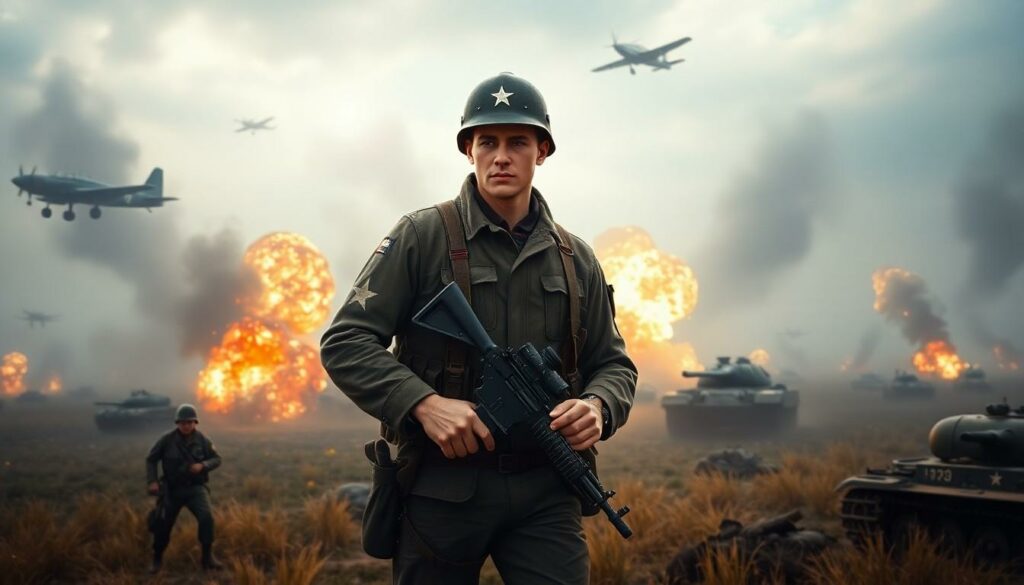
In the vast universe of video games, few franchises have captured the hearts of players like Battlefield. Launched in 2002, the first Battlefield game catapulted players into the chaos of war, combining teamwork and strategy with explosive action. Remember the thrill of dodging bullets while trying to commandeer a tank? It was a wild ride that made couch co-op a thing of beauty.
With its unique blend of large-scale battles and immersive environments, the original Battlefield set a standard that many have tried to replicate but few have matched. Whether players were sniping from a distance or charging headfirst into the fray, it was all about the adrenaline. As we dive into the legacy of the first Battlefield game, it’s clear that this iconic title paved the way for countless sequels, each building on the explosive fun and camaraderie that started it all.
Overview of the First Battlefield Game
The first Battlefield game, titled “Battlefield 1942,” launched in 2002, marks a significant milestone in multiplayer gaming. This title introduced players to large-scale online battles set during World War II. Players engaged in combat across diverse maps that accurately depicted iconic locations from the war.
Gameplay employed a unique combination of vehicles, infantry, and strategic team play. Teams worked together to capture control points, enhancing both competition and cooperation among players. Battlefield 1942 supported up to 64 players in multiplayer mode, which created intense and dynamic gaming experiences.
Graphics and sound design offered a vivid recreation of the war’s atmosphere. Detailed environments, from beaches to urban settings, contributed to immersion. This dedication to realism established a standard for future military shooters.
Notably, the game featured various classes, including Assault, Medic, Support, and Sniper. Each class played a crucial role in team dynamics, encouraging players to adopt different strategies. This class system influenced many subsequent titles in the franchise.
Battlefield 1942 received critical acclaim for its innovative approach and gameplay mechanics. Its impact extended beyond immediate success, inspiring countless sequels and spin-offs. Over time, players became accustomed to the blend of teamwork and strategy that characterized the series.
Ultimately, the first Battlefield game laid the foundation for a franchise that continues to thrive today. Its legacy resonates through ongoing developments, maintaining a loyal player base. The game’s premieres in online multiplayer reshaped expectations and experiences within the gaming community.
Game Development and Release

The development of “Battlefield 1942” involved a commitment to creating immersive warfare experiences. DICE, a Swedish video game developer, spearheaded the project, focusing on large-scale combat mechanics. Team members designed maps to reflect meticulously researched World War II locations. This attention to detail ensured that players engaged in authentic military operations. Innovation played a pivotal role, as the game’s mechanics allowed for 64 players in multiplayer scenarios, a significant leap for its time.
Development Background
Initial discussions about “Battlefield 1942” began in the late 1990s as DICE sought to enhance multiplayer gaming. The team aimed for realism and teamwork, which shaped gameplay elements. Using the Refractor Engine, developers created expansive environments that showcased vehicles and diverse landscapes. Testing phases involved extensive player feedback, allowing the team to refine mechanics and balance gameplay. Passion for authenticity drove the inclusion of historical accuracy in both visual and strategic elements. As a result, the finished product reflected a careful blend of fun and realism that resonated with players.
Release Date and Platforms
“Battlefield 1942” debuted on September 10, 2002, marking a significant moment in gaming history. Initially launched for Microsoft Windows, the game quickly gained popularity and expanded to additional platforms. Following the PC release, it became available on Mac OS X in 2003. Console versions later followed, with adaptations for PlayStation 2 and Xbox. Players embraced the game’s multiplayer dynamics and large-scale battles, solidifying its place in gaming culture. This cross-platform availability contributed to its widespread appeal and uninterrupted success in the gaming community.
Gameplay Features
“Battlefield 1942” introduced innovative gameplay features that set a new standard in the gaming industry. Players engaged in large-scale battles that emphasized teamwork, strategy, and coordination.
Game Mechanics
Game mechanics encompassed various combat styles and options. The diverse class system allowed players to choose roles like Assault, Medic, Support, and Sniper. Players experienced unique strategic advantages while working together. Capture and control points formed the core objective, encouraging players to leverage teamwork for victory. Vehicles, including tanks and aircraft, enhanced gameplay dynamics by providing mobility and firepower. Each environment presented tactical opportunities, making every match distinctive. Battlefield 1942 offered up to 64 players in multiplayer mode, fostering intense competition.
Graphics and Audio
Graphics and audio in “Battlefield 1942” played vital roles in immersing players in the experience. Developers utilized the Refractor Engine to create expansive and detailed environments. Realistic landscapes accurately depicted World War II settings, enhancing the authenticity of battles. Audio design included immersive soundscapes, capturing the chaos and tension of combat situations. From the roar of vehicle engines to the distant sound of gunfire, audio elements contributed significantly to the atmosphere. Together, graphics and audio combined to create a vivid portrayal of wartime experiences, captivating players from launch.
Reception and Impact
“Battlefield 1942” received widespread acclaim upon its release, praised for its large-scale multiplayer battles and innovative gameplay mechanics. Critics highlighted the combination of teamwork, strategy, and immersive environments. Reviews from major gaming publications noted the game’s ability to engage players in dynamic combat scenarios, transforming the multiplayer experience. High scores and positive feedback established it as a landmark title in the first-person shooter genre, influencing both players and developers alike.
Critical Acclaim
Critical reviews lauded the game’s immersive multiplayer experience. Players appreciated the diverse class system, which encouraged unique strategies during battles. Many cited the blend of vehicles and infantry as a revolutionary concept in gaming. Game Informer awarded “Battlefield 1942” a high score, commending its graphics and sound design. IGN praised its large maps and strategic objectives, highlighting the tactical depth it offered. Players revelled in the authentic World War II settings, which enhanced immersion and engagement. Overall, the acclaim solidified “Battlefield 1942” as a classic in the gaming industry.
Influence on Future Titles
The success of “Battlefield 1942” profoundly influenced subsequent entries in the franchise. Developers incorporated its mechanics into later games, emphasizing teamwork and coordination. Design choices, like large maps and diverse classes, became standard features in military shooters. It inspired other franchises to explore similar gameplay elements, reshaping expectations for future titles. The class system and vehicle mechanics encouraged innovation, setting benchmarks for realism in combat games. This legacy continues to resonate within the gaming community and informs the development of future military-themed games.
Community and Multiplayer Experience
“Battlefield 1942” revolutionized the community aspect of multiplayer gaming. Players engaged with each other in vast environments, forging strategies while competing for control points. The 64-player limit significantly enhanced the chaotic yet organized nature of battles, turning every match into a large-scale conflict reminiscent of World War II.
Gameplay mechanics encouraged teamwork. Classes such as Assault, Medic, Support, and Sniper not only provided distinct roles but also cultivated unique strategies among teams. By coordinating with teammates, players experienced validation and success through effective collaboration. This collaborative experience fostered a sense of camaraderie within the gaming community.
Voice chat features further deepened interaction. Real-time communication enabled players to share tactics, coordinate attacks, and build lasting friendships. Teams that worked together often secured victories, creating a rewarding experience that kept players returning to the battlefield.
Server options added to the community’s richness. Players could join public servers or create private matches, tailoring their gaming environment to suit preferences. Customization options extended to maps and game modes, allowing for varied gameplay experiences that never felt repetitive.
Regular updates and community events maintained player engagement. Developers at DICE listened to feedback, implementing changes that reflected the player base’s desires. Such responsiveness fortified loyalty and commitment, forming a tight-knit community that thrived on collaboration and shared experiences.
Overall, “Battlefield 1942” laid the groundwork for an enduring multiplayer experience, blending strategic gameplay with community interaction to create a vibrant environment for players dedicated to teamwork and engagement.
Conclusion
The legacy of “Battlefield 1942” remains a cornerstone in the gaming world. It not only set the stage for future titles within the franchise but also transformed the landscape of multiplayer first-person shooters. Its unique blend of strategy teamwork and immersive environments continues to influence game design today.
As players engage in epic battles and forge connections through shared experiences the spirit of “Battlefield 1942” lives on. The game’s innovative mechanics and community-driven approach have inspired countless gamers and developers alike. With each new installment the franchise builds on the foundation laid by its predecessor ensuring that the essence of large-scale warfare will endure for years to come.


