

In the chaos of war, where bullets fly and chaos reigns, an unexpected hero emerges: battlefield art. This unique form of expression captures the raw emotions and gritty realities of conflict, turning the horrors of war into powerful visuals. Imagine a soldier, paintbrush in hand, transforming a muddy trench into a canvas of resilience and hope. It’s a twist on the classic “art for art’s sake” — here, it’s art for sanity’s sake.
Battlefield art isn’t just about pretty pictures; it’s a way to process trauma, document history, and sometimes even poke fun at the absurdity of war. From graffiti on tank walls to poignant sketches in the heat of battle, these creations breathe life into the stories that often go untold. So grab your beret and prepare to dive into the fascinating world where creativity meets conflict, proving that even in the darkest times, art finds a way to shine.
Understanding Battlefield Art
Battlefield art represents a powerful form of expression that arises amidst the turmoil of war. This unique art captures emotions and realities soldiers experience, offering a glimpse into life on the front lines.
Definition and Purpose
Battlefield art includes sketches, murals, and graffiti created by individuals in combat zones. Artists create this work for various reasons. Some aim to document experiences, while others seek to process trauma. Capturing the stark contrasts of life and death, battlefield art reflects resilience in the face of adversity. It communicates personal narratives and broader societal implications. Lastly, these artworks serve as historical records, preserving moments of human experience in times of crisis.
Historical Significance
Historically, battlefield art spans centuries, originating from conflicts like the Napoleonic Wars to World Wars. Revolutionary artists contributed to propaganda through their work, influencing public perception of wars. During World War I, soldiers frequently sketched their surroundings, fostering a connection to home. These artistic expressions found relevance in World War II when artists documented the horrors of concentration camps and wartime experiences. Today, modern artists continue this tradition, reinforcing battlefield art’s role in understanding war’s impact on humanity.
Famous Battlefield Artists
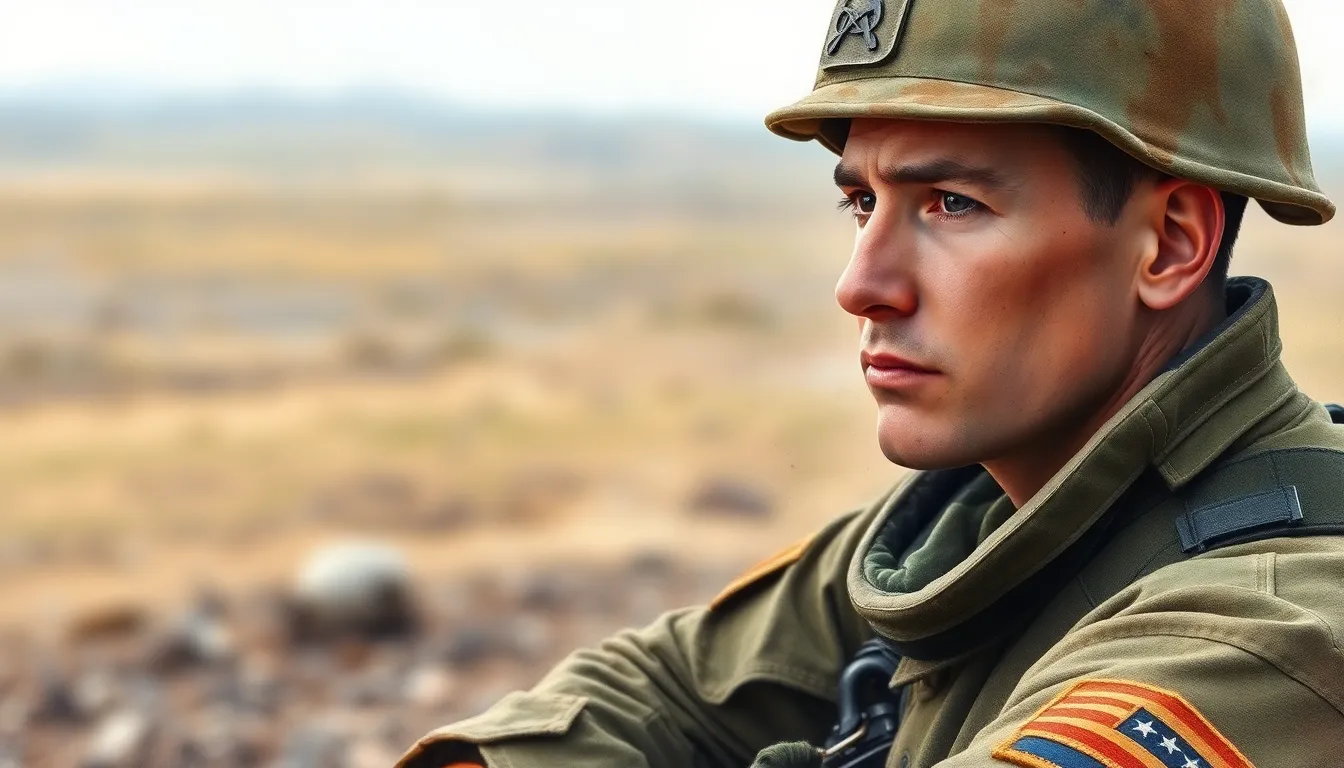
Numerous artists have made significant contributions to battlefield art, capturing the essence of conflict through their unique perspectives. Their works often highlight the emotional toll of war alongside moments of resilience and hope.
Notable Figures
Francis Towne played a crucial role during the Napoleonic Wars, documenting landscapes and troop movements with remarkable accuracy. Otto Dix, a German artist, portrayed the horrors of World War I, reflecting his own experiences as a soldier. John Singer Sargent created powerful watercolor portraits of soldiers, emphasizing the emotional depth of military life. Additionally, the contemporary artist Banksy uses graffiti to comment on the absurdities of war, blending humor and criticism. Each of these figures redefined battlefield art through their distinct styles and messages.
Their Contributions to Art
Towne’s landscapes brought intimacy to vast battles, allowing viewers to connect emotionally with soldiers’ experiences. Dix’s paintings presented stark realities, challenging glorified perceptions of war and encouraging critical reflection. Similarly, Sargent’s portraits humanized soldiers, offering a personal glimpse into their lives amidst chaos. Banksy’s street art attracts attention globally, using satire to provoke thought about modern conflicts. Collectively, these artists have shaped the narrative of battlefield art, creating a lasting impact on how society views war and its consequences.
Techniques Used in Battlefield Art
Battlefield artists utilize diverse techniques to convey the emotional weight of conflict. These techniques reflect the intensity and urgency of their surroundings.
Materials and Mediums
Artists employ various materials and mediums to create battlefield art. Oil paints often appear in traditional pieces, providing rich colors and textures. Watercolors, due to their portability, allow quick execution, capturing fleeting moments. Charcoal and pencils enable quick sketches, perfect for capturing immediate scenes. Graffiti, often found on walls in combat zones, uses spray paint and stencils to deliver impactful messages. Each medium serves a specific purpose, helping artists communicate their experiences effectively.
Styles and Approaches
Diverse styles and approaches characterize battlefield art. Realism captures the raw details of life and death on the front lines, exposing harsh truths. Expressionism reflects the emotional turmoil experienced by soldiers, emphasizing feelings over realism. Surrealism introduces dreamlike elements, transforming memories into haunting imagery. Street art integrates political commentary, drawing attention to broader societal implications. Each style contributes to a multifaceted understanding of war, illustrating varied perspectives and engaging viewers on multiple levels.
The Impact of Battlefield Art on Society
Battlefield art serves as a powerful lens through which society views the emotional and psychological impacts of war. This form of expression reflects and shapes cultural narratives surrounding conflict.
Cultural Reflections
Battlefield art captures the cultural landscape during times of war. Artists express societal values, fears, and hopes through their work. Various forms, including sketches and murals, engage viewers by revealing the human condition amidst chaos. Artwork from different eras highlights shifts in cultural attitudes towards conflict. For instance, during World War II, patriotic themes dominated, while contemporary pieces often focus on the absurdities and consequences of war. These reflections create a dialogue between soldiers and civilians, fostering a deeper understanding of the realities faced during combat.
Influence on Public Perception
Public perception of war often shifts based on the narratives presented through battlefield art. Artists frequently challenge glorified views of conflict, showcasing its harsh truths. Artwork serves to humanize soldiers, connecting audiences with their struggles and emotions. Significant works can ignite discussions around the morality of warfare and raise awareness of its consequences. Graffiti and murals, for instance, stand out as forms that provoke thought and inspire action. This influence extends beyond mere aesthetics, prompting society to reconsider its views on war and peace.
Battlefield art stands as a powerful testament to human resilience and creativity in the face of adversity. It transcends mere aesthetics, offering a profound commentary on the realities of war and its emotional toll. Through various forms of expression, artists capture the complexities of conflict, providing insights that resonate with audiences far beyond the battlefield.
As history unfolds, battlefield art continues to evolve, reflecting changing cultural attitudes and societal values. It challenges perceptions of war and ignites important conversations about its impact on humanity. By engaging with this art, individuals can gain a deeper understanding of the stories behind the chaos, fostering empathy and awareness in a world often shaped by conflict.


