

In the world of gaming, few franchises have ignited the passion and camaraderie of players like Battlefield. With its explosive action and strategic gameplay, it’s hard to believe that this iconic series has a history that dates back to the early 2000s. Picture this: gamers huddled around their consoles, ready to storm virtual battlefields, all while debating the best way to take down an enemy tank—sounds like a recipe for legendary gaming nights, right?
Overview of the Battlefield Series
The Battlefield series debuted with “Battlefield 1942” in September 2002. Its focus on large-scale battles captivated gamers, showcasing team-based gameplay and vehicular warfare. World War II served as the backdrop, providing an immersive experience that many players enjoyed.
Subsequent titles expanded the franchise’s reach into various historical settings and modern warfare. “Battlefield 2,” released in 2005, introduced new mechanics, enhancing multiplayer experiences with squad-based gameplay. Players embraced the game’s tactical depth, which fostered a competitive online environment.
In 2010, “Battlefield: Bad Company 2” pushed the series into the spotlight with its single-player campaign and destructive environments. Gamers appreciated the balance of humor and action, expanding the audience significantly. Each installment built upon lessons learned from previous releases, constantly refining gameplay elements.
The franchise introduced the “Battlefield 1” title in 2016, returning to historical warfare. Set during World War I, the game emphasized innovative features, including unique character classes and large-scale multiplayer battles. Players recognized its commitment to delivering authentic experiences.
Over the years, the series has developed a dedicated fan base, driven in part by regular updates and seasonal content. Each new entry maintained the core principles of teamwork and strategy. Gamers anticipate each release eagerly, ensuring ongoing excitement for the franchise.
Overall, the Battlefield series has evolved significantly since its inception, continually adapting to player expectations and technological advancements. Every title aims to enhance user experience while celebrating the essence of warfare.
The Launch of the First Battlefield Game
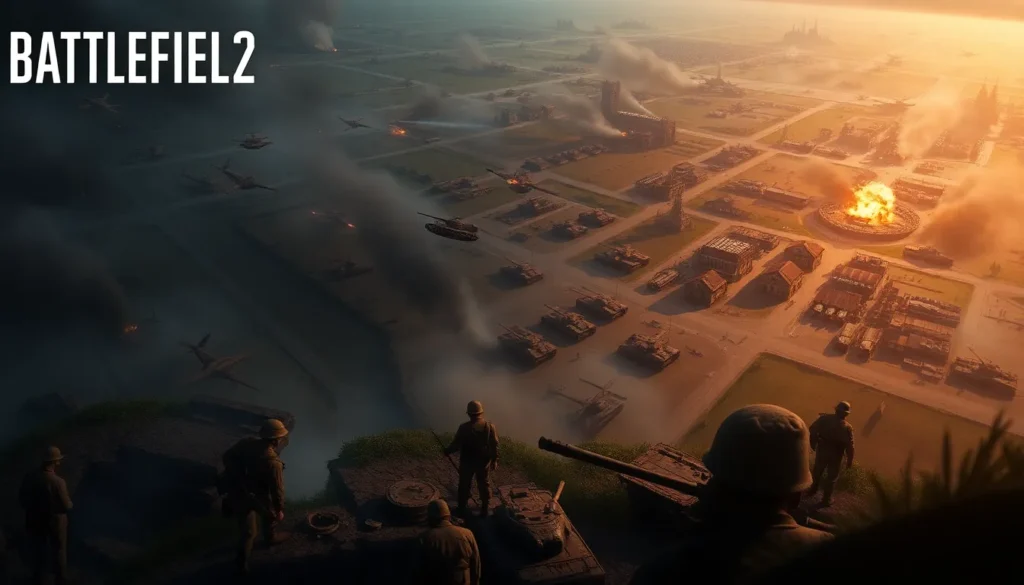
The Battlefield franchise began its journey with a significant impact on the gaming landscape. “Battlefield 1942,” launched in September 2002, marked the start of immersive warfare experiences.
Development Background
DICE, a Swedish video game developer, created Battlefield 1942. The developers aimed to focus on team-based gameplay and large-scale battles. Development involved extensive research into World War II, allowing for authentic environments and vehicles. Unique gameplay mechanics emerged, such as player classes and vehicle use, enhancing player collaboration. Initial testing included multiplayer modes, which showcased the potential for cooperative strategies in digital battlefields. The combination of cutting-edge technology and innovative design elements set a new standard for first-person shooters.
Release Date and Platforms
Battlefield 1942 officially launched on September 10, 2002. The game became available on Microsoft Windows, capturing a wide audience. In 2003, console versions followed, with releases for Xbox and PlayStation 2. Players quickly adapted to the gameplay’s requirements on various systems. The game’s popularity surged, leading to multiple expansions and updates. Over the years, Battlefield 1942 positioned itself as a pioneer in the gaming industry, influencing subsequent titles and solidifying its legacy.
Impact on Gaming
The Battlefield series significantly influenced the gaming landscape, reshaping expectations for first-person shooters.
Reception and Reviews
“Battlefield 1942” received critical acclaim, praised for its engaging gameplay and groundbreaking multiplayer features. Reviewers noted the immersive environments, realistic mechanics, and innovative gameplay that set it apart from contemporaries. The game’s emphasis on team-based tactics resonated with players, earning it high scores across various gaming outlets. Subsequent titles maintained strong reception, particularly “Battlefield 2,” which introduced refined mechanics and robust online play. Critics highlighted the franchise’s dedication to evolving gameplay experiences, fostering a positive community around it. Enthusiastic feedback from gamers further solidified Battlefield’s status as a leading franchise in competitive gaming.
Influence on Future Titles
The original title established benchmarks for multiplayer engagement that shaped future game development. Innovations like class-based systems and diverse vehicles became foundational elements in many subsequent shooters. Developers took cues from Battlefield’s large-scale battle mechanics, leading to the inclusion of similar features in various franchises. Titles like “Call of Duty” adapted formats to include expansive multiplayer modes, reflecting the influence of Battlefield’s community-driven gameplay. As technology advanced, the franchise continued to expand its scope, incorporating new mechanics that pushed industry standards. Each iteration inspired competitors to innovate, creating a dynamic environment in the gaming industry.
Evolution of the Battlefield Franchise
The Battlefield franchise has continually innovated since its inception in 2002. “Battlefield 1942” set the stage with large-scale battles and vehicular warfare. This title introduced players to immersive multiplayer experiences, redefining first-person shooters with team-based gameplay. Following its success, expansions added depth and variety, solidifying its place in gaming history.
“Battlefield 2,” released in 2005, introduced advanced mechanics that enhanced online competition. This installment is noteworthy for its improvements in graphics and gameplay, drawing in a dedicated player base. Players embraced the challenges and strategies it offered.
The franchise shifted focus with “Battlefield: Bad Company 2” in 2010, showcasing a captivating single-player campaign alongside its signature multiplayer mode. Destructible environments became a hallmark, allowing players to alter the battlefield dynamically. This game attracted both casual and competitive players, significantly expanding its audience.
In 2016, “Battlefield 1” marked a return to roots with historical warfare, emphasizing immersive World War I battles. Gamers praised its graphics and innovative multiplayer options. The franchise’s commitment to authenticity resonated immensely with its audience.
Later titles maintained the momentum, regularly introducing seasonal content and updates to keep players engaged. Battlefield has evolved its mechanics in each release, adapting to technology and player expectations effectively. The franchise’s dedication to teamwork and collaboration continues to attract new players while retaining loyal fans.
Significantly, the innovative design of the original title influenced an entire genre and inspired competitors. Class systems and vehicular mechanics established benchmarks for multiplayer gaming that persisted across various titles. As technology advances, the Battlefield franchise remains at the forefront, continually reshaping the landscape of first-person shooters.
The Battlefield franchise has made a lasting impact on the gaming world since its debut in 2002. Its commitment to large-scale battles and strategic gameplay has not only captivated players but also set new standards for the first-person shooter genre. With each installment, the series has evolved, incorporating innovative mechanics that keep the community engaged and excited.
As technology and player expectations continue to advance, Battlefield remains a cornerstone of multiplayer gaming. The franchise’s ability to adapt while retaining its core principles ensures its relevance in an ever-changing landscape. Looking ahead, fans can anticipate more thrilling experiences that honor the legacy of the original title while pushing the boundaries of gameplay.


