
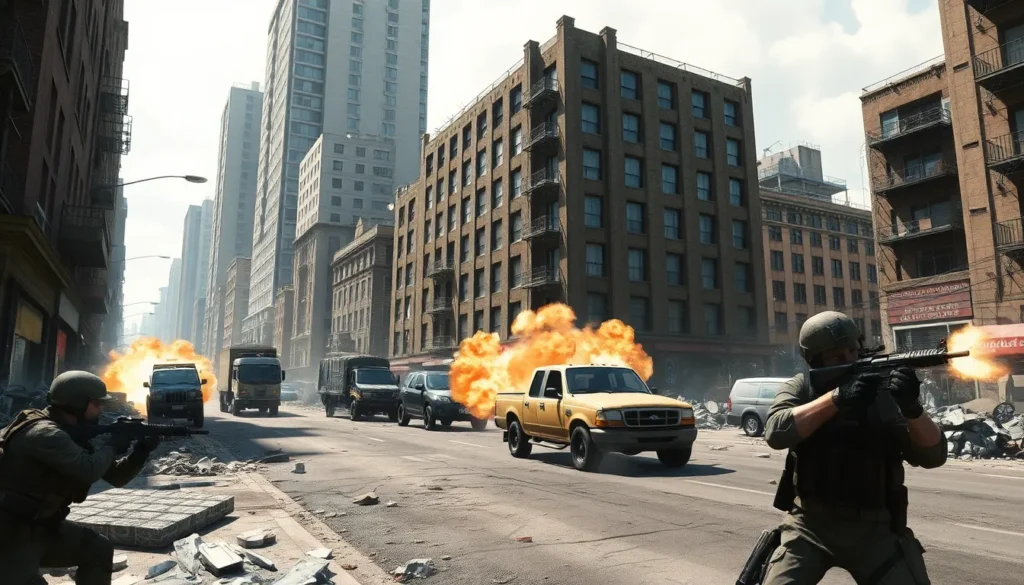
In the world of gaming, few things ignite the thrill of battle quite like the perfect map. Battlefield maps are more than just colorful landscapes; they’re the playgrounds where strategies unfold and legends are born. Whether it’s the sprawling deserts or the urban chaos, each map offers unique challenges and opportunities that keep players coming back for more.
Imagine navigating a war-torn city while your squad yells out commands like a bunch of caffeinated squirrels. The right map can turn a simple skirmish into an epic showdown, making every corner a potential ambush and every hill a tactical advantage. Dive into the intricacies of these battlefields, and discover how they shape gameplay, influence tactics, and keep the adrenaline pumping. Get ready to explore the virtual terrains that have captivated gamers and turned ordinary players into battlefield heroes.
Overview of Battlefield Maps
Battlefield maps serve as critical components of gaming experiences. These maps provide players with distinct environments that influence their strategies and tactics. Urban areas often encourage close-quarters combat, while expansive terrains like deserts offer opportunities for long-range engagements. Unique layouts foster diverse gameplay styles, ensuring that players face different challenges and scenarios.
Game developers design maps with various features. Elevation changes, obstacles, and cover points enhance the overall experience. Effective use of natural cover allows players to execute strategies while minimizing exposure to enemy fire. Each map’s design elements, such as chokepoints and progression routes, shape player interactions.
Some maps are larger, designed for extensive battles, while others are compact, facilitating intense skirmishes. Players might adapt their tactics based on the map size and layout. Diverse environments promote teamwork and communication, which are vital in achieving objectives.
The aesthetics of battlefield maps also contribute to immersion. High-quality graphics and realistic landscapes engage players and enhance the overall ambiance. Sound design further enriches the experience, signaling threats and opportunities.
Feedback from players often influences future map developments. Developers respond to community input, refining existing maps and creating new ones that align with player preferences. This ongoing engagement helps keep gameplay fresh and exciting, ensuring a dynamic gaming environment.
Types of Battlefield Maps
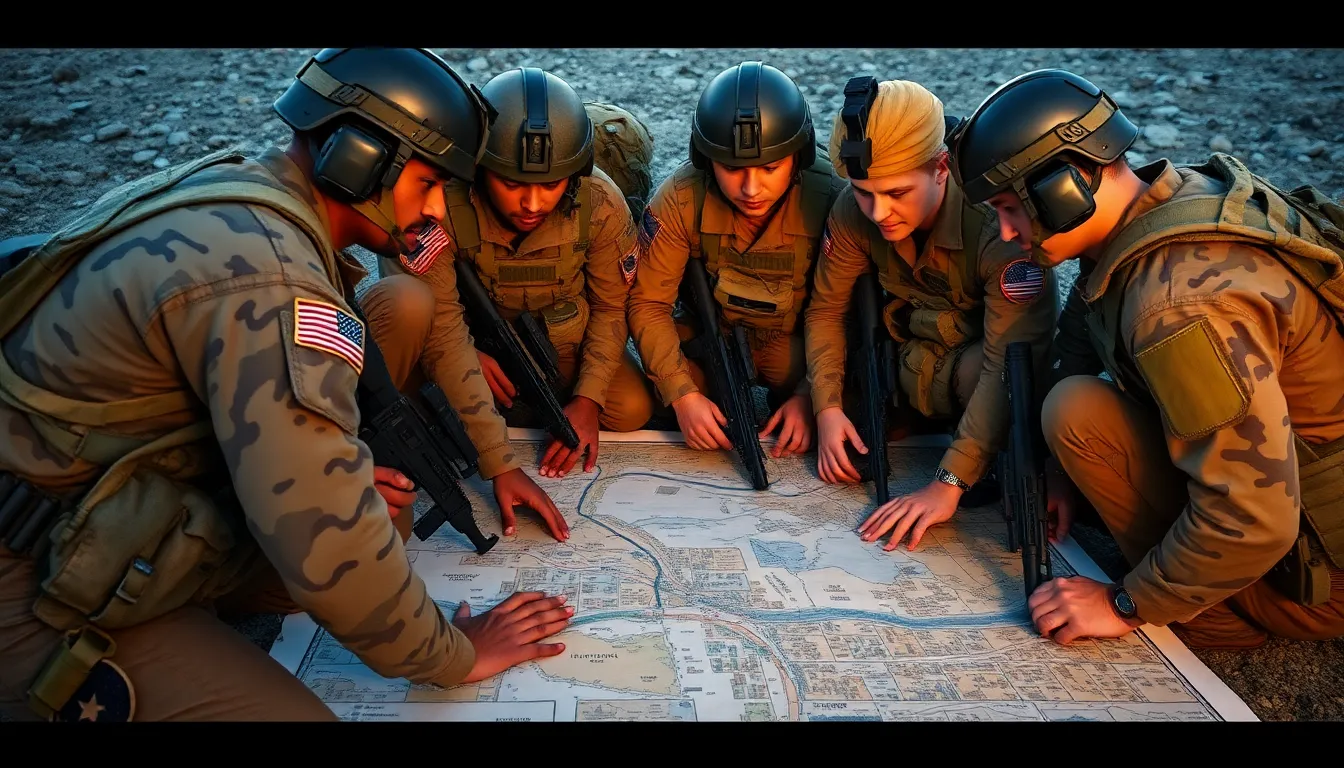
Battlefield maps come in various types, each designed to create distinct gameplay experiences. Understanding these variations enhances strategic planning during matches.
Conquest Maps
Conquest maps focus on large-scale battles with multiple control points. Players must capture and hold objectives to deplete the opposing team’s tickets. These maps often feature sprawling open spaces and intricate urban areas, promoting both long-range and close-quarters combat. Teamwork remains essential, as players coordinate attacks and defenses across the map. Iconic examples in popular games include “Battlefield 3” and “Battlefield 1,” emphasizing strategic positioning and resource management.
Rush Maps
Rush maps involve an attacker-defender dynamic, where attackers aim to destroy objectives while defenders protect them. Designed for fast-paced, intense gameplay, these maps encourage rapid movement and tactical decision-making. Players frequently engage in fierce skirmishes, enhancing excitement. Unique environments on Rush maps can include dense forests, urban ruins, and sprawling bases, which challenge players to adapt their strategies constantly. Examples like “Battlefield Bad Company 2” highlight the thrill of high-stakes engagements.
Domination Maps
Domination maps offer smaller, more compact battle zones centered around short, sharp engagements. Players focus on capturing and maintaining key points within the map. Fast-paced combat and quick respawns keep players engaged, often resulting in rapid shifts in momentum. These maps encourage aggressive playstyles and require participants to think on their feet. Notable instances appear in titles such as “Battlefield 4,” emphasizing the intense competition and strategic actions needed to dominate the battlefield.
Popular Battlefield Maps
Battlefield maps provide diverse environments that enhance gameplay experiences. Each installment showcases unique maps that cater to different playstyles.
Battlefield 1 Maps
Battlefield 1 features maps that transport players to World War I settings. Maps like “Verdun Heights” emphasize trench warfare, creating tense, close-quarters combat scenarios. “Suez” merges desert landscapes with urban elements, offering varied tactical options. Players must navigate through open spaces and fortified positions, encouraging teamwork and strategic maneuvers. Diverse weather effects can change visibility, enhancing immersion and challenge.
Battlefield V Maps
Battlefield V introduces maps inspired by World War II battles. “Rotterdam” combines urban destruction with open spaces, encouraging flanking maneuvers and multi-level strategies. “Hamada” features a North African desert with vast stretches for long-range engagements while maintaining cover points for skirmishes. Attractive visuals and dynamic weather further amplify the excitement in gameplay. Players constantly adjust tactics based on evolving conditions and enemy movements.
Battlefield 2042 Maps
Battlefield 2042 explores futuristic landscapes with its innovative maps. “Renewal” presents contrasting environments, with a desert area next to a lush agricultural zone. Players navigate varied terrains, engaging in both infantry and vehicular combat. “Orbital” offers thrilling opportunities for aerial maneuvers around a rocket launch site, emphasizing vertical gameplay. Diverse weather conditions and destructible environments create evolving battlefields, promoting adaptive strategies among players.
Strategies for Navigating Battlefield Maps
Effective navigation of battlefield maps enhances the gameplay experience. Players must employ specific strategies to maximize their advantages in varying environments.
Understanding Map Layouts
Grasping the overall map layout is crucial for strategic positioning. Key locations such as chokepoints, high ground, and capture points influence tactical decisions. Players benefit from memorizing map features, which aids in anticipating enemy movements. Analyzing spawn points helps in planning routes and ambush tactics. Each map contains unique elements that dictate engagement styles, making detailed knowledge essential. Examining the terrain encourages players to adapt strategies based on the available features.
Utilizing Cover and Terrain
Leveraging cover effectively can turn the tide in battle. Players must identify obstacles and natural elements that provide protection against enemy fire. The right positioning allows for tactical advantage during engagements. Terrain features, like hills and buildings, create opportunities for flanking maneuvers. Choosing high ground increases visibility and aids in spotting enemies from a distance. Utilizing smoke or environmental hazards can obscure movements and facilitate strategic advances. Adapting to changing terrain conditions also helps players remain unpredictable in combat.
Battlefield maps are more than just backdrops for combat; they’re integral to the gaming experience. Each map offers unique challenges that shape player strategies and enhance the thrill of battle. The diversity in environments encourages players to adapt their tactics, whether navigating urban landscapes or expansive deserts.
As developers continue to innovate and refine these maps based on player feedback, the potential for new gameplay experiences remains limitless. Understanding the nuances of each map type allows players to elevate their performance and enjoy richer, more engaging matches. The evolution of battlefield maps will undoubtedly continue to play a pivotal role in the future of gaming.


