

In today’s health-conscious world, managing cholesterol levels is more important than ever. Many people are turning to omega-3 fatty acids for their heart-healthy benefits. These essential fats, found in fish and certain plant sources, have shown promise in reducing bad cholesterol and improving overall heart health.
With a variety of omega-3 supplements available, it can be challenging to determine which ones are the most effective for lowering cholesterol. Understanding the differences between sources and types of omega-3s can make all the difference in achieving optimal results. This article explores the best omega-3 options to help individuals take control of their cholesterol levels and support their cardiovascular health.
Overview of Omega-3 Fatty Acids
Omega-3 fatty acids are essential fats that play a crucial role in maintaining heart health. These fats, predominantly found in fish and specific plants, can significantly impact cholesterol levels and overall cardiovascular well-being.
Types of Omega-3 Fatty Acids
Omega-3 fatty acids primarily consist of three types:
- ALA (Alpha-linolenic acid): A plant-based omega-3 found in flaxseeds, chia seeds, and walnuts. ALA must convert into EPA or DHA for health benefits.
- EPA (Eicosapentaenoic acid): A type mainly found in fatty fish like salmon, mackerel, and sardines. EPA supports heart health by reducing inflammation and lowering triglycerides.
- DHA (Docosahexaenoic acid): Also found in fatty fish, DHA is crucial for brain health and development. It contributes to cardiovascular health and helps lower bad cholesterol levels.
Health Benefits of Omega-3s
The health benefits of omega-3 fatty acids are well-documented:
- Lower Cholesterol: Omega-3s can lower LDL (bad cholesterol) and raise HDL (good cholesterol). This balance reduces heart disease risk.
- Reduce Inflammation: Omega-3s help decrease inflammation throughout the body, improving overall heart health and function.
- Improve Triglycerides: Regular intake of omega-3s often leads to reduced triglyceride levels, a key factor in cardiovascular health.
- Support Brain Function: DHA, a component of omega-3s, aids cognitive function, supporting brain health across all ages.
Incorporating omega-3 fatty acids into a diet promotes cardiovascular health and effective cholesterol management.
Best Omega-3 Supplements for Lowering Cholesterol
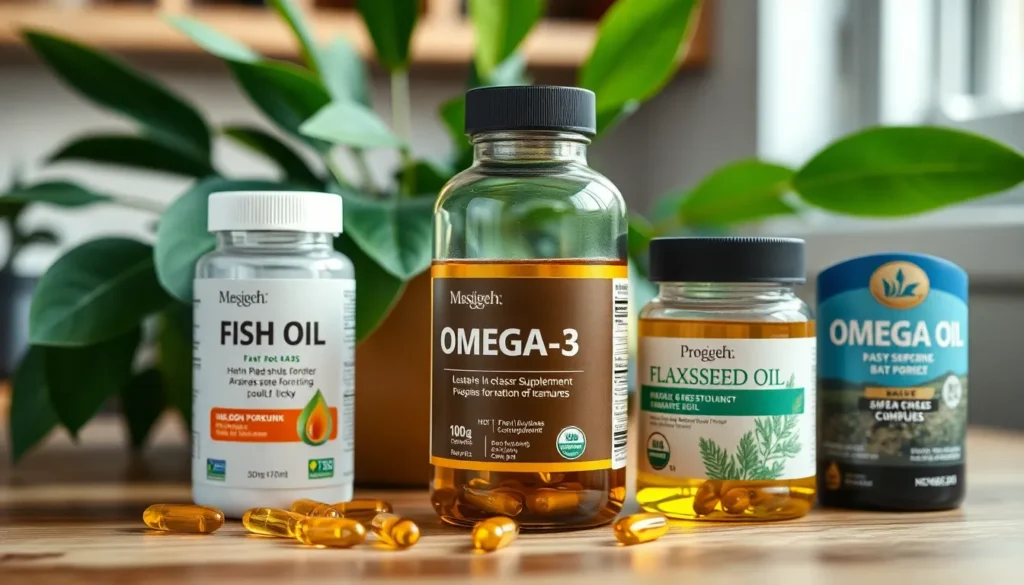
Selecting the right omega-3 supplements can significantly influence cholesterol management. Below are some of the top options available.
Fish Oil Supplements
Fish oil supplements contain high levels of EPA and DHA, omega-3 fatty acids essential for lowering LDL cholesterol and improving cardiovascular health. Clinical studies show that daily intake can reduce triglyceride levels by 20-50% and raise HDL cholesterol. Common options include:
- Omega-3 Fish Oil Capsules: These offer concentrated doses of EPA and DHA, typically ranging from 200-1,000 mg per serving.
- Liquid Fish Oil: This form allows for higher EPA and DHA intake, with some brands providing up to 2,000 mg per tablespoon.
- Cod Liver Oil: Rich in omega-3s, vitamins A and D, cod liver oil supports overall heart health.
Algal Oil Supplements
Algal oil, derived from algae, serves as an alternative for vegetarians and vegans. It provides DHA and some EPA, promoting heart health without animal sources. Key benefits of algal oil include:
- Omega-3 Content: Algal oil can contain 400-600 mg of DHA per serving, making it a robust choice for lowering LDL levels.
- Sustainability: Algal farms produce less environmental impact than fish harvesting, appealing to eco-conscious consumers.
- Digestibility: It often causes fewer gastrointestinal side effects compared to fish oil, making it suitable for sensitive individuals.
Flaxseed Oil Supplements
Flaxseed oil, rich in ALA, presents an excellent plant-based source of omega-3s. Though it primarily influences cholesterol indirectly by converting ALA to EPA and DHA, it offers various cardiovascular benefits. Notable aspects include:
- High ALA Levels: Flaxseed oil provides around 7,200 mg of ALA per tablespoon, supporting heart health.
- Fiber and Antioxidants: It contains lignans and fiber, which may aid in lowering cholesterol levels.
- Availability: Flaxseed oil is widely available in liquid and capsule forms, making it an easy addition to diets.
Incorporating these omega-3 supplements can help manage cholesterol levels effectively, contributing to better overall cardiovascular health. Choose a supplement that aligns with dietary preferences and lifestyle for optimal results.
How Omega-3s Affect Cholesterol Levels
Omega-3 fatty acids play a significant role in managing cholesterol levels. Their unique properties enable them to influence lipid profiles, leading to improved heart health.
Mechanisms of Action
Omega-3s primarily affect cholesterol levels through several mechanisms. They reduce triglyceride production in the liver, leading to lower blood triglyceride concentrations. They also enhance the removal of LDL cholesterol from the bloodstream, resulting in decreased levels of harmful cholesterol. Omega-3s increase HDL cholesterol, the “good” type, by promoting reverse cholesterol transport, where excess cholesterol moves from the arteries back to the liver for excretion. Additionally, omega-3s improve endothelial function, which supports healthy blood vessel function and reduces inflammation.
Research and Studies
Numerous studies support the cholesterol-lowering effects of omega-3 fatty acids. A meta-analysis involving over 20 studies found that EPA and DHA significantly lower triglycerides by 20-50%. Research published in the Journal of Nutrition indicated that fish oil supplementation lowers LDL cholesterol levels while increasing HDL cholesterol. Another study demonstrated that individuals who consumed higher amounts of dietary ALA from flaxseed showed improved lipid profiles. These findings underscore the importance of omega-3s as a beneficial addition to dietary regimens aimed at cholesterol management.
Tips for Choosing the Right Omega-3 Supplement
Choosing the right omega-3 supplement involves considering dosage, quality, and personal dietary preferences. Making informed decisions maximizes the health benefits of omega-3s for cholesterol management.
Dosage Recommendations
Dosage recommendations vary based on individual health needs. The American Heart Association recommends at least 1 gram of combined EPA and DHA daily for individuals with heart disease. For lowering cholesterol, 2 to 4 grams daily may prove effective. Confirming the specific dosage with a healthcare provider ensures alignment with personal health conditions and goals.
Quality and Purity Considerations
Quality and purity significantly impact the effectiveness of omega-3 supplements. Choosing products that are third-party tested guarantees they meet high standards for safety and contamination. Look for certifications from organizations like the International Fish Oil Standards (IFOS) or United States Pharmacopeia (USP). Selecting ethyl ester forms of omega-3 supplements may increase absorption and bioavailability. Avoiding supplements with added fillers or artificial ingredients helps maintain a clean and effective product.
Managing cholesterol levels is crucial for heart health and omega-3 fatty acids play a vital role in this process. By incorporating the right sources of omega-3s into one’s diet or choosing effective supplements, individuals can significantly improve their cholesterol profiles. Whether opting for fish oil, algal oil, or flaxseed oil, each option offers unique benefits that contribute to cardiovascular wellness.
Prioritizing quality and dosage ensures that the chosen omega-3 supplements deliver maximum health benefits. With informed choices and a commitment to heart health, lowering cholesterol becomes an achievable goal for many. Embracing omega-3s is a proactive step toward a healthier lifestyle.


