
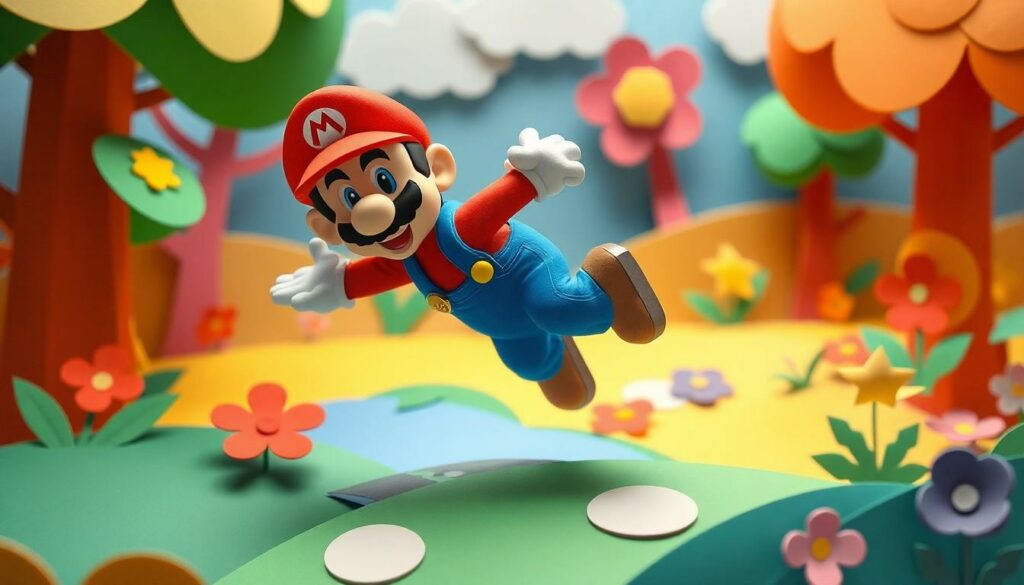
In a world where heroes wear capes and wield swords, one plumber stands out with a unique twist—he’s made of paper. Paper Mario for the Nintendo 64 isn’t just another platformer; it’s a delightful blend of RPG elements with a charming story that turns the Mario universe upside down. Imagine jumping into a vibrant world where every character, from Goombas to Bowser, is crafted from colorful paper. It’s a whimsical adventure that keeps players laughing and strategizing.
Overview Of Paper Mario Nintendo 64
“Paper Mario,” released in 2000, marked a significant entry in the Nintendo 64 library. This RPG features Mario in a unique 2D paper art style, which offers players a fresh visual experience. Players navigate through various colorful environments, each designed with whimsical elements that enhance the story.
The game introduces a turn-based combat system that combines strategy with action. During battles, players can execute timed jumps and special attacks, leading to engaging encounters with enemies. Each character has distinct abilities, providing tactical advantages that must be leveraged effectively.
Collecting badges is a crucial aspect of gameplay, allowing players to customize Mario’s abilities. Badges grant various powers, from improved attack strength to enhanced defensive capabilities. These collectible items encourage exploration and add depth to character development.
Mario’s allies play a vital role in the gameplay. Characters like Goombario and Bombette join Mario in his quest, each contributing unique skills to overcome obstacles and solve puzzles. Players can switch between partners, ensuring a dynamic approach to challenges.
Narratively, “Paper Mario” balances humor and charm with a classic adventure storyline. The plot centers around Princess Peach’s kidnapping by Bowser, prompting Mario to embark on a quest to rescue her. Along the way, the vivid supporting cast and humorous dialogue enrich the overall experience.
Critical reception highlighted the game’s innovative mechanics and engaging story. Magnificent design and memorable characters led to enduring popularity among fans. Various sequels have followed, building on the strong foundation established by “Paper Mario” on the Nintendo 64.
Gameplay Mechanics
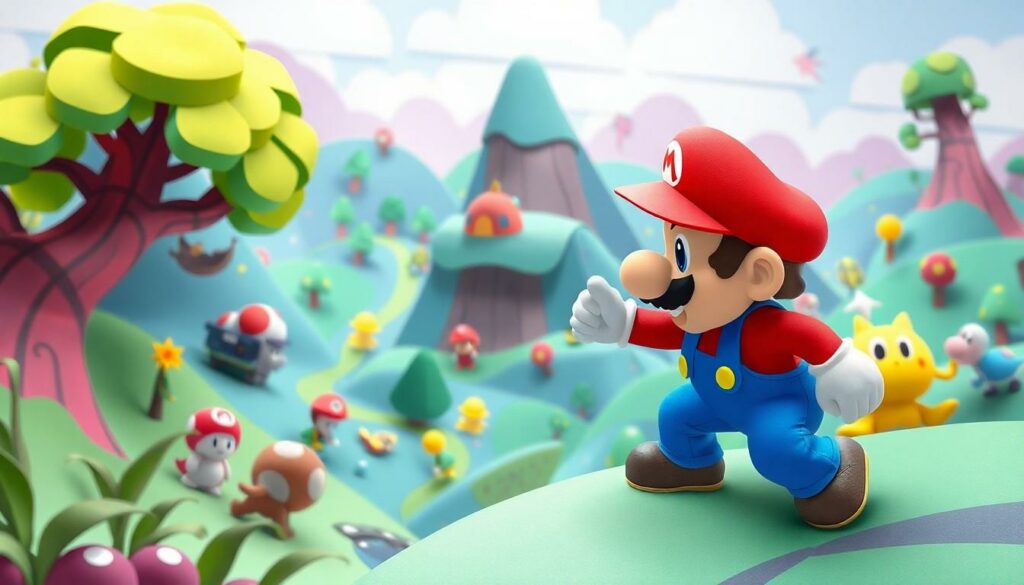
“Paper Mario” features a blend of turn-based combat, exploration, and puzzle-solving, enhancing the gaming experience.
Turn-Based Combat
Combat in “Paper Mario” emphasizes strategy and timing. Players engage in turn-based battles where they perform timed button presses to boost attack power. Each character possesses unique abilities and attacks that require tactical choices. Mario can equip various badges to modify his capabilities, providing further customization. Enemies display distinct patterns, which players must analyze to defend effectively. Notably, ally characters offer specific skills that impact battle dynamics. For example, Goombario can provide tactical hints about opponents. Mastering these elements is key to successfully defeating foes throughout the adventure.
Exploration and Puzzle-Solving
Exploration in “Paper Mario” encourages interaction with the vibrant paper-crafted world. Players navigate various levels, discovering hidden pathways and secrets. Each environment contains unique challenges, requiring players to utilize their allies’ abilities to progress. Characters like Bombette can break obstacles, while Kooper can assist in reaching distant platforms. Puzzles often demand clever thinking and thorough exploration, offering rewards upon completion. Additionally, engaging NPCs leads to valuable information and side quests. Overall, the combination of exploration and puzzle mechanics makes each gameplay session feel rewarding and immersive.
Visuals and Art Style
“Paper Mario” presents a captivating visual experience that enhances its storytelling. The art style reflects a colorful, paper-crafted world that feels both unique and inviting.
Graphics Quality
Graphics in “Paper Mario” leverage the Nintendo 64’s capabilities to create a visually pleasing atmosphere. The game features vibrant colors, which pop against the simple yet effective backgrounds. Each environment feels distinct, with textures mimicking paper and cardboard, enhancing the theme. Players navigate through well-designed levels that showcase the innovative use of 3D graphics combined with 2D elements. This combination results in a dynamic and engaging visual experience that draws players into the Mario universe.
Character Design
Character design in “Paper Mario” emphasizes creativity and charm. Each character, made to resemble paper cutouts, showcases unique attributes and personality traits. Mario, alongside his allies like Goombario and Bombette, displays exaggerated features that bring humor and vibrancy to the gameplay. Villains like Bowser also retain playful designs that resonate with the game’s lighthearted tone. The diversity in character designs engages players while contributing to the overall whimsical aesthetic. Unique animations for each character during battles further enrich the experience, showcasing their distinct personalities.
Music and Sound Effects
The music and sound effects in “Paper Mario” significantly enhance the gaming experience. They create an immersive atmosphere, accompanying players as they navigate the whimsical world.
Original Score
Koji Kondo composed the original score, known for its catchy melodies and distinctive charm. The soundtrack features diverse musical themes that reflect different environments, such as cheerful tunes in Toad Town and suspenseful tracks in Bowser’s castle. Each piece adds emotional depth to the gameplay, establishing context for players’ interactions and battles. The incorporation of joyful jingles enhances moments of victory, while subtle background tracks accompany exploration, making these auditory elements vital to the overall experience.
Voice Acting
Voice acting also plays an important role in “Paper Mario.” Each character possesses unique vocalizations that convey emotions and personality traits effectively. The use of expressive sounds and reactions helps bring the paper-crafted characters to life. Players can feel a connection to the charming allies throughout their journey, as their lines reflect humor and character depth. This creative approach makes dialogue memorable, creating a more engaging story where characters resonate beyond their visual designs. The combination of music and voice acting strengthens the player’s emotional investment in the adventure.
Legacy and Impact
“Paper Mario” garnered critical acclaim, establishing a legacy that influenced future Nintendo titles. This game’s innovative blend of RPG elements and platforming mechanics paved the way for subsequent Mario RPGs, including “The Thousand-Year Door” and “Color Splash.” Players appreciated how it introduced unique character designs and a compelling narrative structure, making it distinct from other titles in the genre.
Affection for its art style remains strong. The captivating combination of 2D graphics and a paper-like aesthetic left a mark on visual storytelling in video games. Many developers cited “Paper Mario” as an inspiration for using artistic techniques that enhance gameplay experiences. Creative character animations also enriched the engagement level, drawing players into a whimsical world.
The music score composed by Koji Kondo significantly contributed to its impact, with memorable melodies and delightful sound effects creating a joyful atmosphere. Many fans still recall the catchy tunes associated with victories and exploration. This auditory experience deepened players’ emotional connections to the characters and storyline, reinforcing the game’s lasting appeal.
Critics praised the humor embedded in its dialogue, showcasing how it connected with audiences of all ages. The clever writing and memorable character interactions fostered a sense of nostalgia, ensuring ongoing discussions about the game’s charm. Community fan art and online discussions reflect the passion surrounding “Paper Mario” even years after its initial release.
Overall, the lasting influence of “Paper Mario” extends beyond its gameplay. It set a standard for future RPGs, merging creativity with a memorable gaming experience. The game continues to resonate with new players as well as returning fans, solidifying its place in Nintendo’s rich history.
Conclusion
“Paper Mario” stands as a testament to Nintendo’s creativity and innovation within the gaming industry. Its unique combination of RPG mechanics and charming storytelling has captivated players since its release. The vibrant paper-crafted visuals and engaging gameplay mechanics create an unforgettable experience that continues to attract fans.
The game’s legacy is evident in its influence on subsequent titles and its ability to resonate with new generations of players. With its memorable characters and clever humor, “Paper Mario” not only entertains but also sets a high standard for future RPGs. It remains a beloved classic that showcases the magic of the Mario universe in a delightful and imaginative way.


