
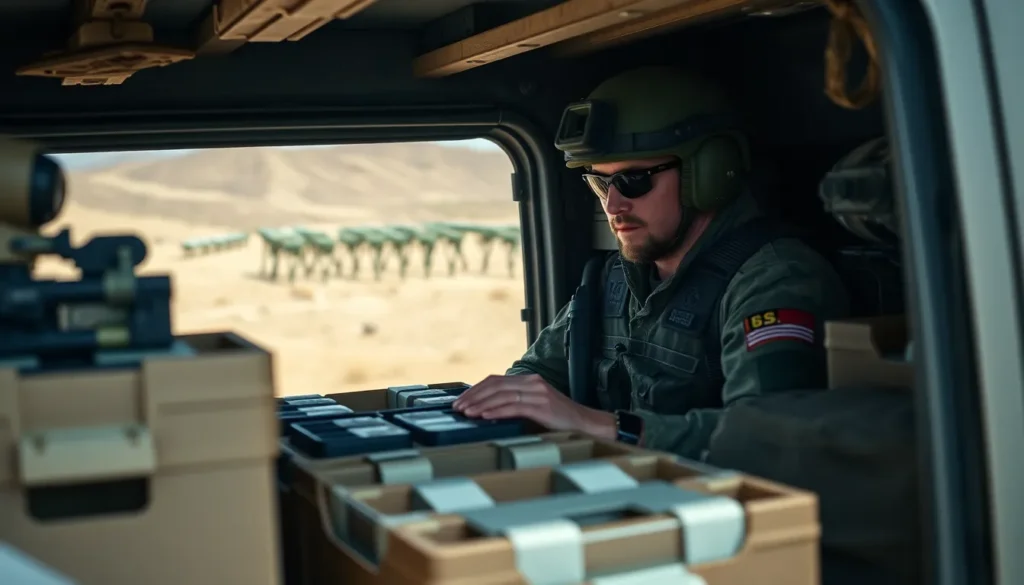
In the chaos of battle, when the ground shakes and the air buzzes with tension, it’s not just the soldiers on the front lines who make victory possible. Enter battlefield support—the unsung heroes who swoop in like the cavalry, armed with everything from tactical intel to vital supplies. Without them, those brave souls charging into combat would be like a pizza without cheese: lacking the essential ingredients for success.
Overview of Battlefield Support
Battlefield support encompasses various roles vital to military success. Personnel in these roles provide logistical aid, medical care, and strategic communication. Often working behind the lines, these support teams ensure that front-line soldiers have the necessary resources to engage effectively.
Logistics specialists manage the supply chain, delivering ammunition, food, and equipment to troops. Without their organized efforts, front-line units may face shortages that compromise mission success. Medical teams rapidly respond to casualties, administering care at the scene and during evacuation, thus saving lives on the battlefield.
Intelligence analysts gather and interpret data, offering insights that guide tactical decisions. Their assessments help commanders understand enemy movements, identify potential threats, and plan counteroffensives. Strong communication networks enable real-time coordination between various units, enhancing response times and effectiveness.
Maintenance crews play a critical role by ensuring equipment functionality. Regular maintenance on weapons, vehicles, and technological tools prevents malfunctions during crucial moments. Additionally, cyber support teams safeguard communication systems against digital threats, allowing operations to continue uninterrupted.
Overall, battlefield support represents a multifaceted approach to military effectiveness. Concentrated effort from various support personnel makes a significant impact, often determining the outcome of engagements. Recognizing these contributions highlights their importance, as success on the battlefield relies heavily on their behind-the-scenes expertise.
Types of Battlefield Support
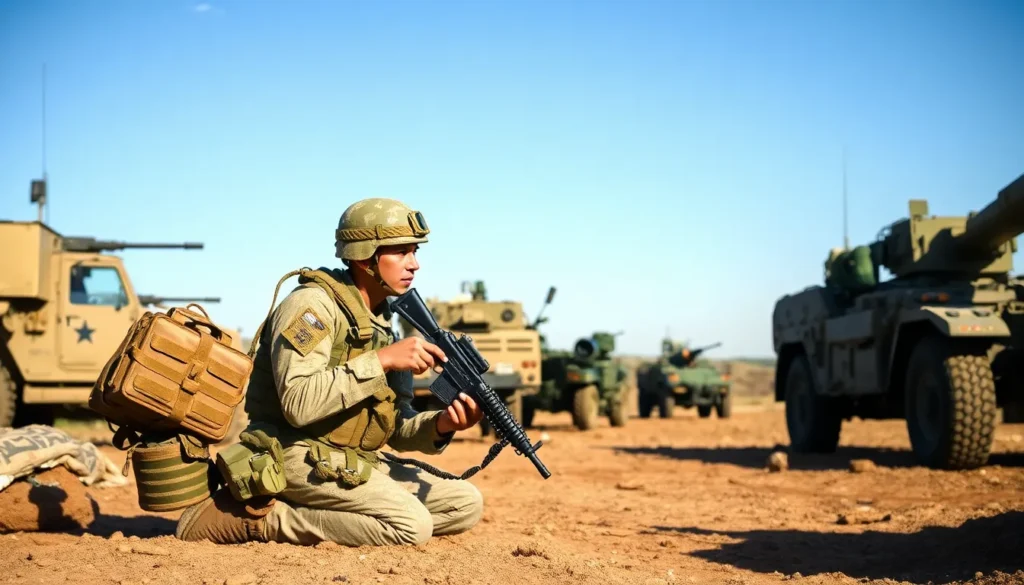
Various types of battlefield support play crucial roles in military operations, directly impacting the success of front-line soldiers. These support categories include fire support, logistical support, and medical support.
Fire Support
Fire support involves delivering accurate and timely firepower, which enhances the effectiveness of ground troops. Artillery units, mortars, and air support provide crucial assistance during engagements. These forces operate within the framework of close air support, offering targeted strikes to neutralize enemy positions. Coordinated efforts between ground forces and fire support teams ensure a synchronized attack that maximizes combat effectiveness. Communication systems transmit real-time data, allowing rapid adjustments to targeting and improving mission outcomes.
Logistical Support
Logistical support ensures that soldiers have the necessary resources to sustain operations. Supply chain management is critical for delivering ammunition, food, and equipment to troops in the field. Specialists oversee inventory levels and deployment timelines to avoid shortages. Vehicles and transportation units play significant roles in moving supplies where they are needed. Efficient logistical operations maintain a continuous flow of essential resources, which prevents disruptions in combat readiness and morale.
Medical Support
Medical support focuses on the health and well-being of personnel on the battlefield. Rapid response teams provide emergency medical care to wounded soldiers, often in challenging environments. Furthermore, evacuation protocols are established to transport casualties to treatment facilities without delay. Field hospitals offer essential care while preventing the spread of infections. Attention to medical logistics ensures that supplies, such as medications and medical equipment, are readily available for immediate use. Following proper medical protocols significantly improves survival rates and recovery times for injured soldiers.
Importance of Battlefield Support
Battlefield support plays a vital role in military operations. Support personnel significantly improve the effectiveness of combat units and maintain troop welfare.
Enhancing Combat Effectiveness
Tactical advantage hinges on the precision and reliability of battlefield support. Fire support units deliver timely artillery and air cover, maximizing ground troops’ impact. Logistics specialists ensure a continuous flow of supplies like ammunition and food, enabling soldiers to sustain operations without interruption. Intelligence analysts provide critical battlefield data that influences strategy and tactics. Equipment maintenance crews keep vehicles and technology operational, allowing combat forces to respond swiftly to changing conditions. Enhanced coordination through communication networks integrates efforts across units. Overall, reinforced combat capability stems from the contributions of diverse support roles.
Ensuring Troop Morale
Troop morale directly correlates with the level of support provided. When soldiers receive adequate medical care, their sense of security improves, fostering confidence during engagements. Support personnel often create systems to ensure rapid evacuation of casualties, reassuring frontline troops about their safety. Regular supply deliveries, including food, water, and equipment, help maintain energy and readiness among soldiers. Furthermore, effective communication channels promote a feeling of unity and shared purpose. Encouragement and recognition from support teams bolster the mental well-being of combat forces. Ultimately, strong morale enhances resilience and operational success in high-stakes environments.
Challenges in Battlefield Support
Battlefield support faces significant challenges that affect overall mission success. Key difficulties arise in resource allocation and coordination among units.
Resource Allocation
Resource allocation remains a pressing issue in battlefield support. Ensuring adequate supplies requires efficient management of logistics. Many factors, including terrain, enemy movements, and supply routes, impact the timely delivery of necessary resources. Commanders must prioritize critical items such as ammunition, medical supplies, and food based on immediate combat needs. Failure to allocate resources effectively can lead to shortages that hinder operational capabilities. Soldiers rely on a constant flow of support to maintain their effectiveness in combat. Thus, the logistics teams play an essential role in assessing demands and distributing supplies based on strategic necessities.
Coordination Among Units
Coordination among units presents another challenge in battlefield support. Different support teams need to work seamlessly together for effective communication and operational success. Often, discrepancies in tactics and timing create confusion on the battlefield. Unifying command structures enhances collaboration and clarity between combat and support elements. Real-time information sharing, enabled by advanced technology, allows teams to adapt quickly to changing conditions. Effective coordination ensures that support personnel deliver timely assistance where it’s needed most. Ultimately, strong synergy between units strengthens mission execution and improves combat effectiveness.
Battlefield support is integral to military success. The diverse roles of support personnel ensure that front-line troops have the resources they need to operate effectively. From logistics to medical care and strategic communication, these unsung heroes enhance combat effectiveness and troop morale.
Recognizing the challenges in resource allocation and coordination is vital for improving operational efficiency. As technology advances, the potential for enhanced collaboration among support units grows. Prioritizing strong synergy and real-time information sharing will continue to shape the future of battlefield support, ultimately determining the outcomes of military engagements.


